Imagine you manage a team of ten. Deadlines slip, and for two quarters the same two colleagues have clashed in every planning meeting: Rachel wants a decision now, and Omar keeps asking for the data. Your most careful analyst has stopped offering ideas. Nobody is lazy and nobody is wrong. Each person approaches the same moment differently, and each person reads the others wrong.
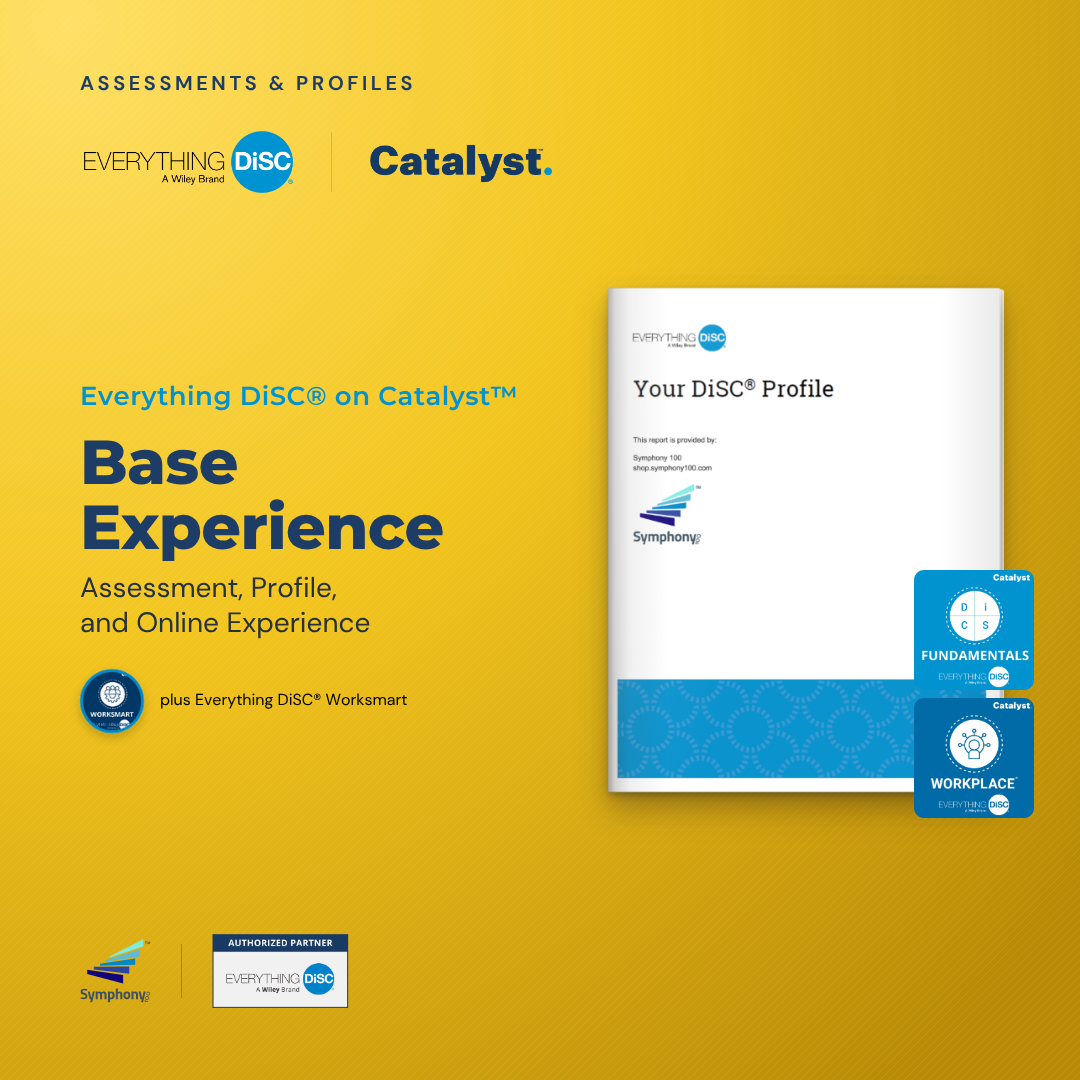
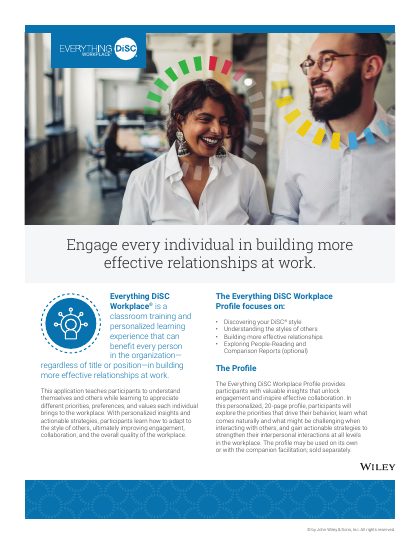
The usual explanation is attitude: Rachel is pushy and Omar is slow. Everything DiSC Workplace® gives you a different explanation. Each person's profile shows the priorities behind their behavior, what motivates and what stresses them, and how to work with each of the other styles. Rachel's D style prioritizes results, action and challenge, so a meeting without a decision wears her down. Omar's C style prioritizes accuracy, stability and challenge, so a decision without the data wears him down. The analyst who went quiet has an S style and reads Rachel's directness as a lack of interest in anyone else's view. Once the three of them can see the style behind the behavior, the friction stops being personal.

What Rachel sees in her profile
Rachel reads that her priorities are getting results, taking action and offering challenge, that she is motivated by making key decisions and keeping the work moving, and that getting bogged down in inefficient meetings is one of her stressors. Her profile gives her three strategies for being more productive with colleagues. In the sample D-style profile, the first one is to give others a chance to share their ideas: seek out the opinions of the people who tend to be more soft-spoken, listen actively, and acknowledge everyone's contributions, even when she disagrees.
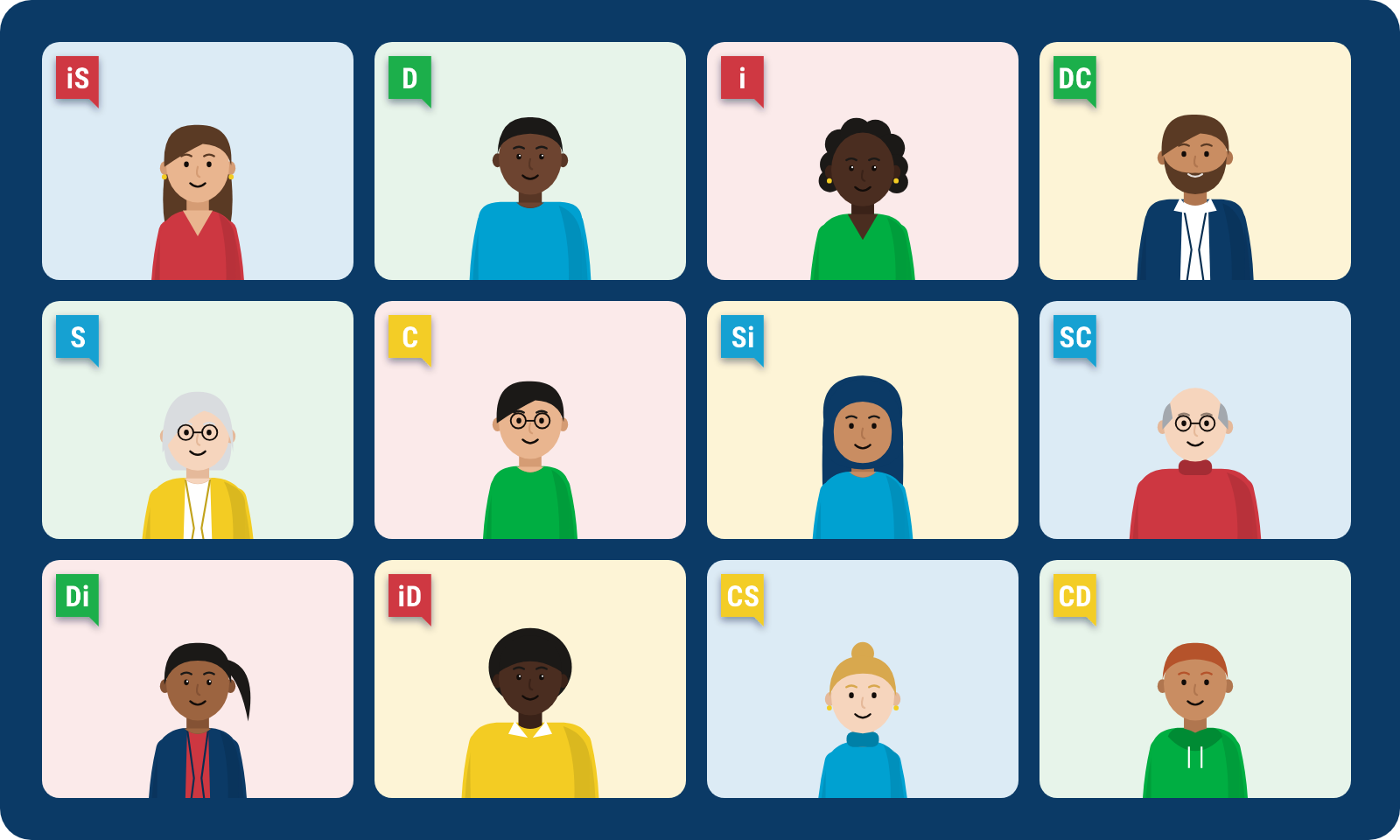
What the manager sees in the group reports
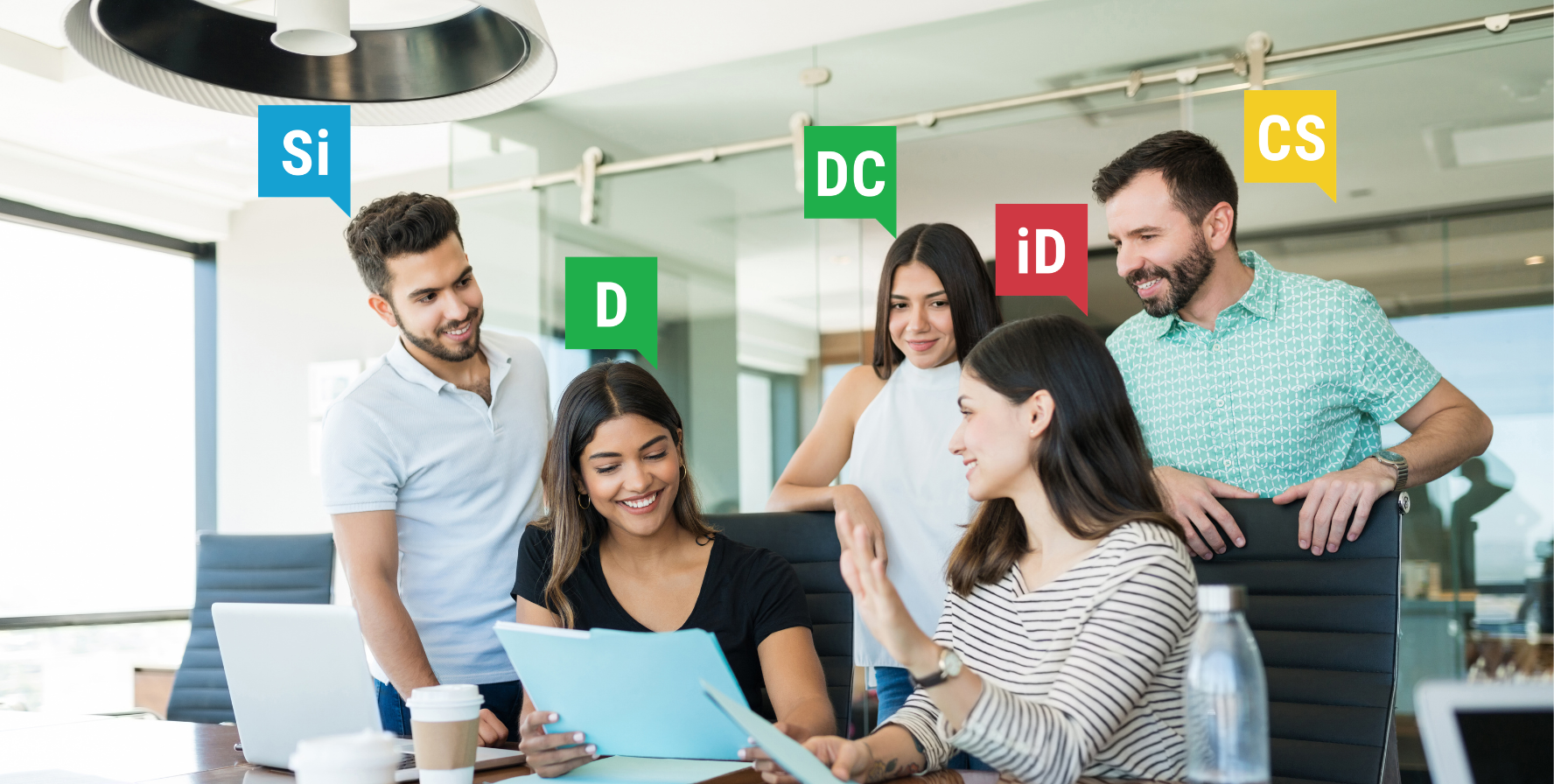
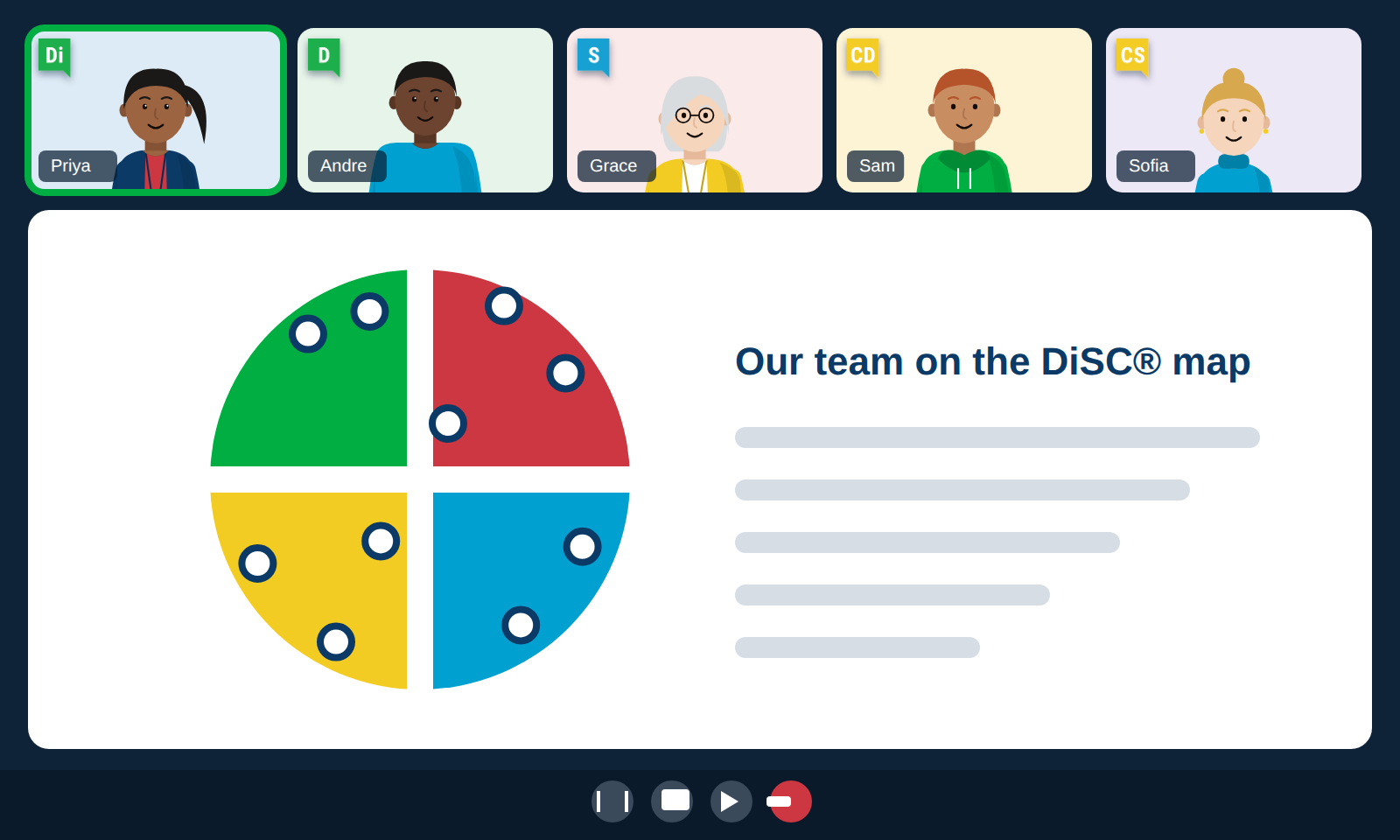
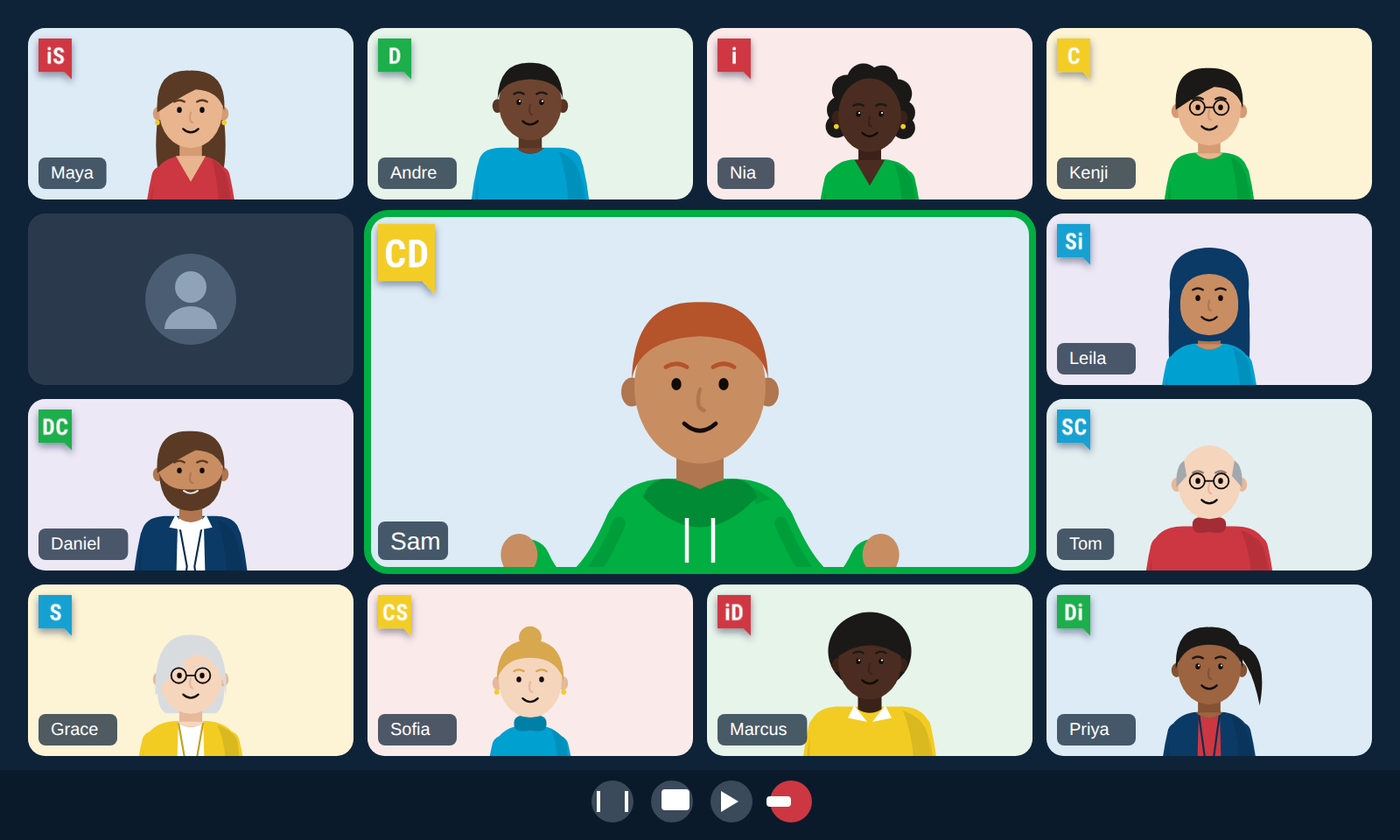
Run the Group Culture Report for the team of ten, and you see the distribution of styles and how the group's shared tendencies shape decisions, pace and communication. Because it names no one, you can hand it to everyone. The Facilitator Report, with names, prepares the person running the session: each participant's style, the group map with Rachel, Omar and the analyst on it, and guidance for leading a group with this culture.
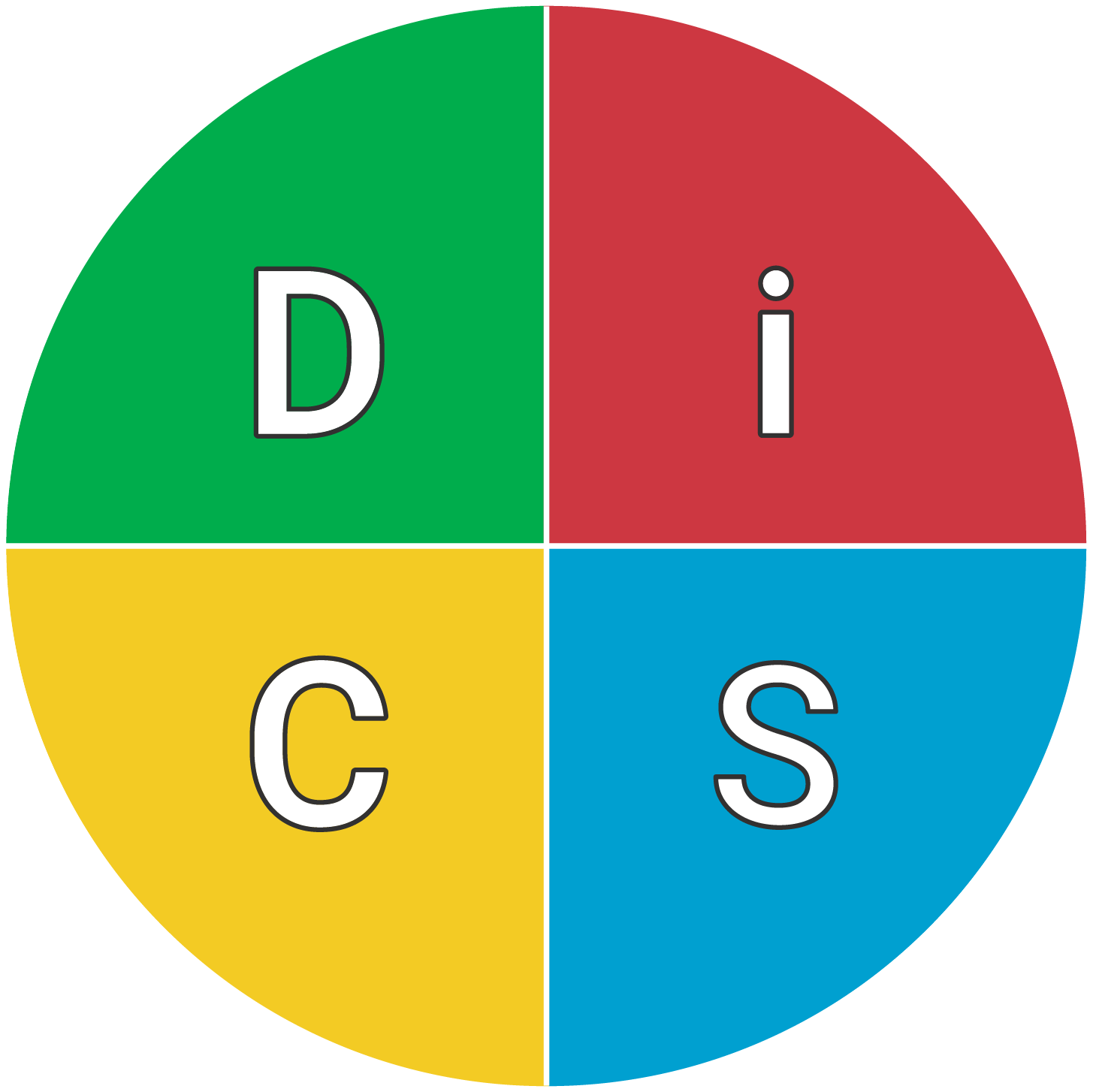 The Everything DiSC® map: the four styles. In the profile, the eight workplace priorities sit around this circle. Graphic from Wiley.


 The Catalyst™ brochure
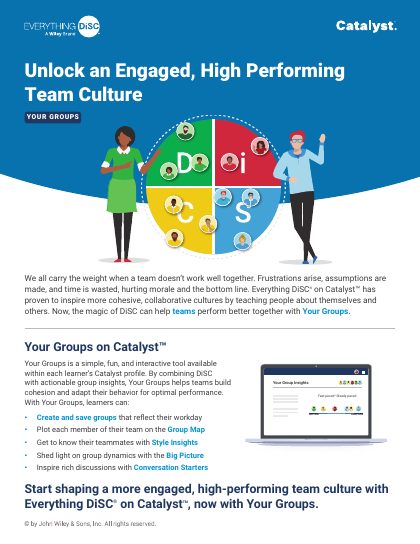 The Your Groups brochure
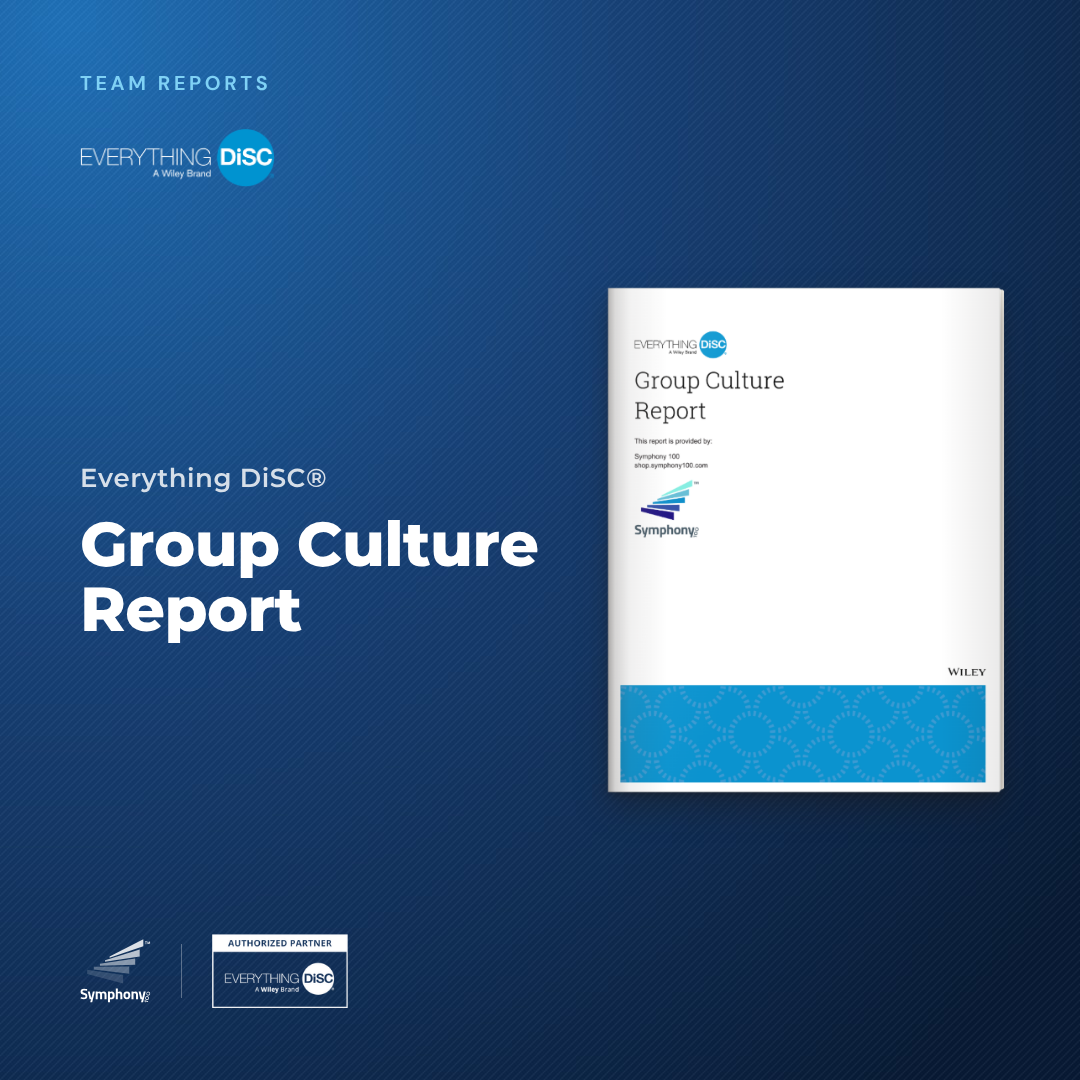 $150 per report
 $150 per report


 START HERE