Key Attributes
Strategic Thinking
A deep understanding of business strategy development and implementation is essential for guiding leaders in crafting strategic visions. Strategic thinking involves analyzing complex situations, anticipating future trends, and making informed decisions that align with the organization's goals and objectives.
Strategic thinkers possess excellent problem-solving skills, a forward-thinking mindset, and the capacity to see the big picture while paying attention to detail. They are adept at identifying growth opportunities, mitigating risks, and adapting strategies to changing market conditions.
Visionary Leadership
Visionary leadership goes beyond setting goals and targets; it involves inspiring and motivating others to work towards a shared vision. A visionary leader can communicate a compelling narrative that resonates with employees, customers, and stakeholders, fostering a sense of purpose and direction within the organization.
Influential visionary leaders are adept at fostering innovation, encouraging creativity, and empowering teams to think outside the box. They create a continuous improvement and learning culture, driving organizational success and growth.
Change Management
Change management is critical for leaders to navigate uncertain, transformational, and growth periods. Leaders with expertise in change management can effectively communicate the need for change, manage resistance, and facilitate adopting new processes and working methods.
Successful change managers understand the human side of change. They provide support, coaching, and guidance to employees as they transition through organizational changes. They are skilled at building trust, fostering collaboration, and creating a positive organizational change culture.
Critical Skills
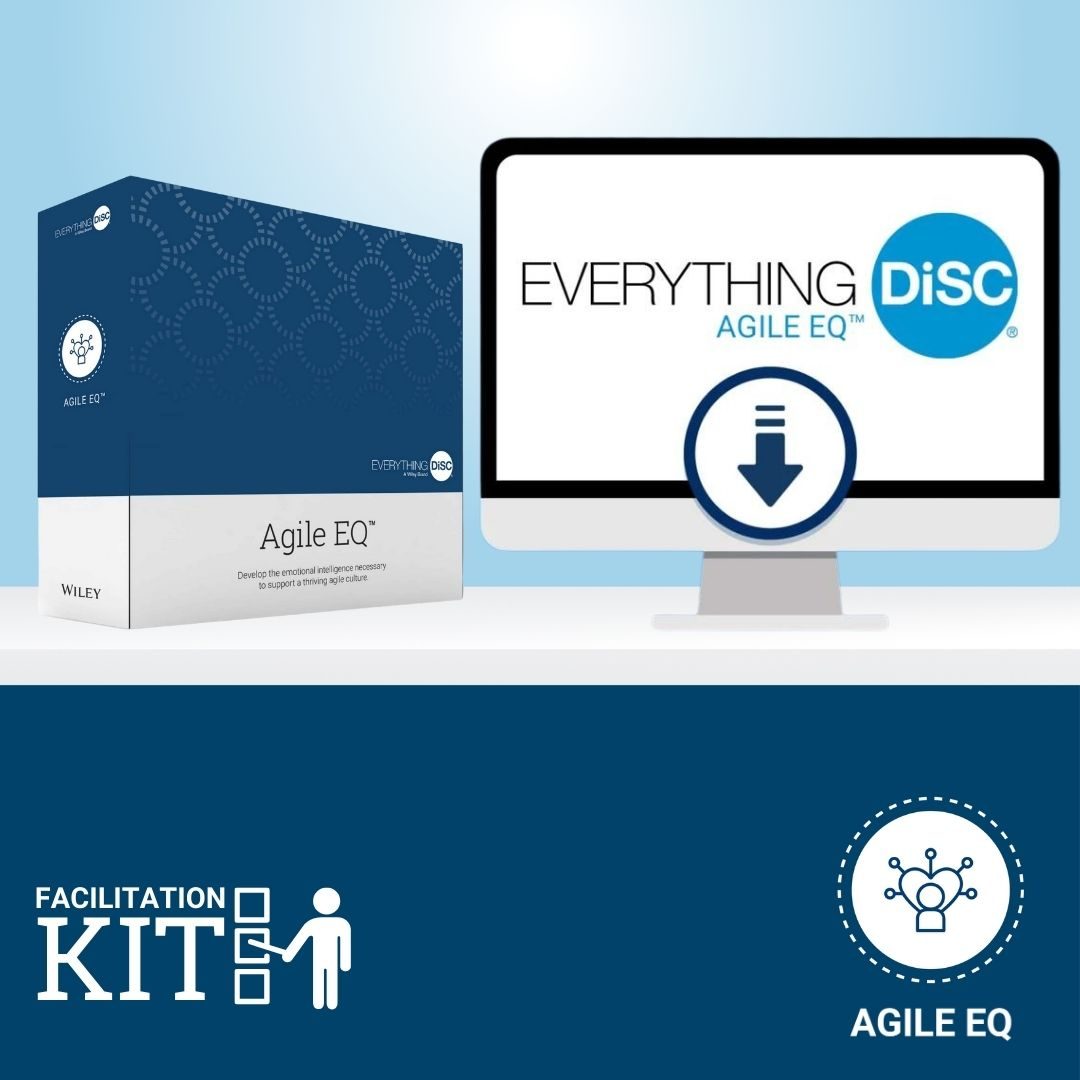
Facilitators are crucial in driving organizational change, enhancing team dynamics, and fostering continuous learning within Everything DiSC®. Here are the essential attributes of proficient facilitators:
Strong Communication Skills
Effective facilitators excel in verbal and written communication, articulating ideas clearly, listening actively, and adjusting messaging to suit diverse audiences.
Deep Knowledge of Learning Principles
Familiarity with educational theories, adult learning techniques, instructional design, and the ability to adapt teaching methods to different learning styles, especially within leadership contexts.
Expertise in Group Dynamics
Skillful in managing group dynamics, identifying undercurrents, steering discussions constructively, resolving conflicts, and fostering an inclusive environment during leadership training sessions.
Problem-Solving Skills
Strategic thinkers with strong analytical abilities, capable of diagnosing team issues and offering practical solutions, acting as mediators and negotiators.
Organizational Savvy
Understanding internal politics and culture, aligning facilitation strategies with organizational goals, and enhancing credibility and influence in leadership contexts.
Project Management Capabilities
Oversees leadership training programs or change initiatives, ensures timely completion, stays within budget, and achieves intended outcomes.
Continuous Learning and Adaptability
Lifelong learners who update skills and knowledge, adapt to changing needs, and integrate new tools and technologies into facilitation practices.












































































 CERTIFY